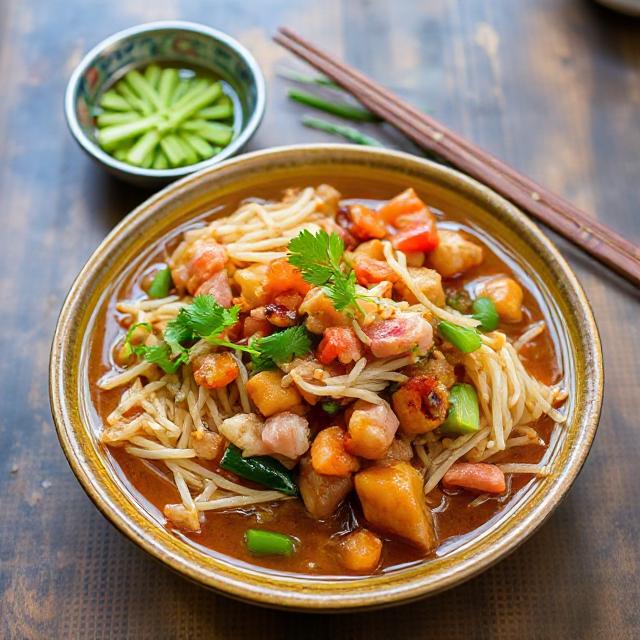
Balancing Tradition and Innovation in Modern Hmong Recipes
Balancing tradition with modernity in Hmong cooking is both a challenge and an opportunity.
For many Hmong cooks, traditional recipes are deeply tied to family, identity, and culture.
Dishes like laap, kua txob, or noj mov tsuas are more than food — they’re storytelling tools that connect generations.
Yet as younger Hmong generations grow up in diverse environments, there’s a natural evolution in how recipes are prepared and shared.
Modern Hmong chefs often integrate new techniques, ingredients, and presentation styles without losing the essence of traditional flavors.
For example, instead of cooking over open fire, many now adapt recipes for stovetops or ovens while keeping core ingredients like lemongrass, galangal, and fresh herbs intact.
Others experiment by blending Hmong flavors with influences from Thai, Laotian, or American cuisines.
The key to balance lies in honoring the foundations — maintaining respect for ancestral methods while being open to creative reinterpretation.
Many families keep traditional cooking alive at gatherings and ceremonies, while younger generations remix recipes for everyday meals.
This dual approach keeps Hmong cuisine dynamic and relevant, preserving its roots while allowing it to grow in new directions. In this way, tradition doesn’t get lost — it evolves.
Benedict Ohia is a seasoned chef with over 15 years of experience in the culinary industry. Passionate about food, innovation, and mentoring others, Benedict combines his chef expertise with his storytelling talent as the founder of CatererCareers.com. Through his niche website, he provides invaluable insights, tips, and resources for aspiring chefs, caterers, and hospitality professionals. Whether guiding career growth or sharing industry trends, Benedict is dedicated to inspiring others to succeed in the dynamic world of catering and culinary arts.