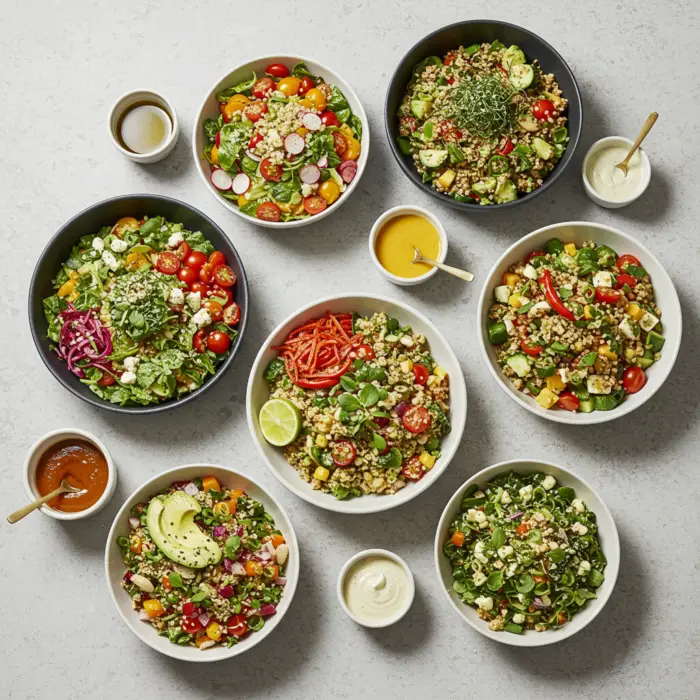
Plant-based cooking is more than just a trend — it’s a lifestyle choice offering various health, environmental, and ethical benefits.
Whether you’re considering a fully plant-based diet or just looking to incorporate more plant-forward meals into your routine, understanding the basics of plant-based cuisine can help you create delicious, nutritious, and satisfying dishes.
1. Understanding Plant-Based Cuisine
Plant-based cooking focuses on whole, unprocessed foods derived from plants, such as vegetables, fruits, legumes, grains, nuts, and seeds.
Unlike veganism, which excludes all animal products for ethical reasons, plant-based eating emphasizes whole-food nutrition and may occasionally include small amounts of animal products, depending on individual preferences.
2. Nutritional Considerations
One of the most common concerns about plant-based diets is whether they provide enough protein, iron, and other essential nutrients.
The good news is that a well-balanced plant-based diet can meet all your nutritional needs. Here’s how:
- Protein: Found in beans, lentils, tofu, tempeh, quinoa, and nuts.
- Iron: Present in leafy greens, lentils, chickpeas, and fortified cereals; consuming vitamin C-rich foods like citrus fruits helps absorption.
- Calcium: Abundant in leafy greens, fortified plant-based milk, and almonds.
- Vitamin B12: Since it’s primarily found in animal products, supplementation or fortified foods are recommended for strict plant-based eaters.
3. Essential Ingredients in Plant-Based Cooking
To build flavorful plant-based meals, stock your pantry with the following essentials:
- Legumes and beans (chickpeas, black beans, lentils) for protein and fiber.
- Whole grains (quinoa, brown rice, farro) for energy and nutrients.
- Healthy fats (avocados, nuts, seeds, olive oil) for flavor and satiety.
- Plant-based milk (almond, soy, oat) for dairy alternatives.
- Nutritional yeast for a cheesy, umami flavor.
4. Flavor and Texture Hacks
Plant-based cooking can be just as flavorful and satisfying as traditional cuisine with the right techniques:
- Umami boosters: Use mushrooms, soy sauce, miso, and tomatoes to create depth.
- Texture tricks: Roast chickpeas for crunch, blend cashews for creamy sauces, and marinate tofu for better absorption.
- Spices and herbs: Experiment with cumin, turmeric, garlic, and basil to enhance flavor.
5. Benefits Beyond the Plate
A plant-based diet isn’t just good for your health — it’s also better for the planet. Plant-based foods have a lower carbon footprint, require less water, and contribute to reducing deforestation.
Additionally, many people find ethical motivation in reducing animal product consumption.
Final Thoughts
Plant-based cooking is an exciting and rewarding way to eat healthier, experiment with new flavors, and contribute to a more sustainable world.
Whether you’re fully plant-based or just exploring, incorporating more plant-based meals into your diet is a delicious and fulfilling journey worth taking.

Benedict Ohia is a seasoned chef with over 15 years of experience in the culinary industry. Passionate about food, innovation, and mentoring others, Benedict combines his chef expertise with his storytelling talent as the founder of CatererCareers.com. Through his niche website, he provides invaluable insights, tips, and resources for aspiring chefs, caterers, and hospitality professionals. Whether guiding career growth or sharing industry trends, Benedict is dedicated to inspiring others to succeed in the dynamic world of catering and culinary arts.
